Knowing When You’ve Dug Enough Clams
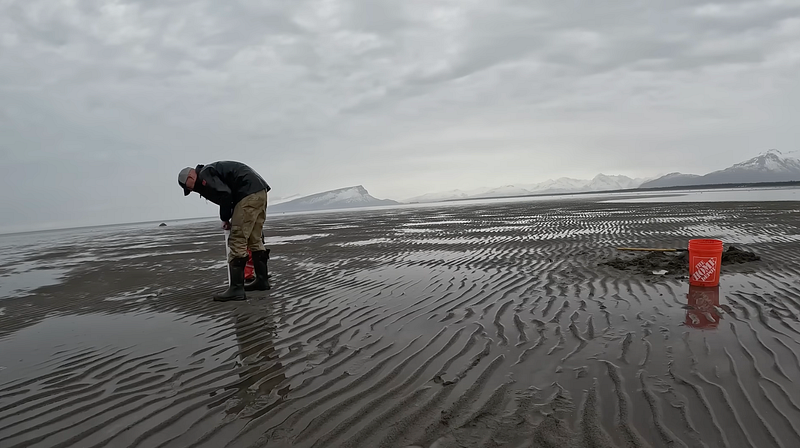
Luke “Outdoor Boys” Nichols hunting for clams
There’s a YouTube channel I’ve been glued to for quite some time now. So much so that my feed is often filled with nothing else.
It’s run by Luke Nichols, a former traffic attorney turned outdoor YouTuber. Each week, Luke ventures into the Alaskan wilderness, and we’re invited along for the ride as he builds makeshift shelters out of deadwood, fishes for trout on frozen rivers, and hunts (often unsuccessfully) for ptarmigan.
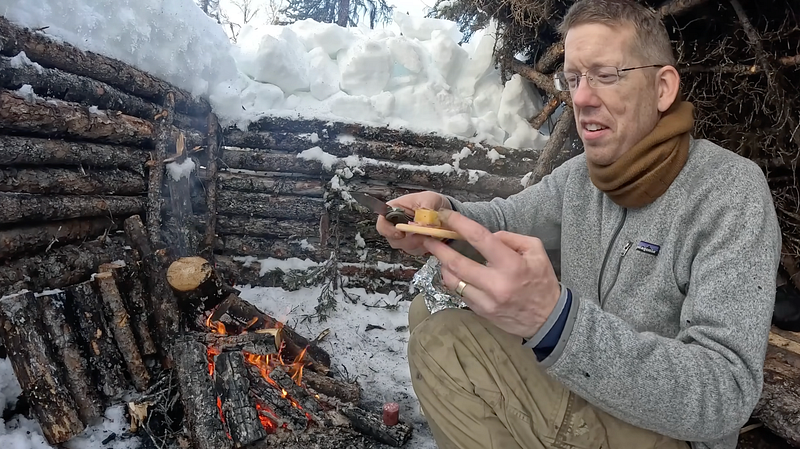
Luke solo camping in the Arctic
Oh and have I mentioned the cooking? Baking homemade bread next to a roaring campfire, slathering it with a generous amount of honey butter, a recurring scene that’s spawned a meme culture of its own. It is thirty degrees below zero. And he is baking bread.
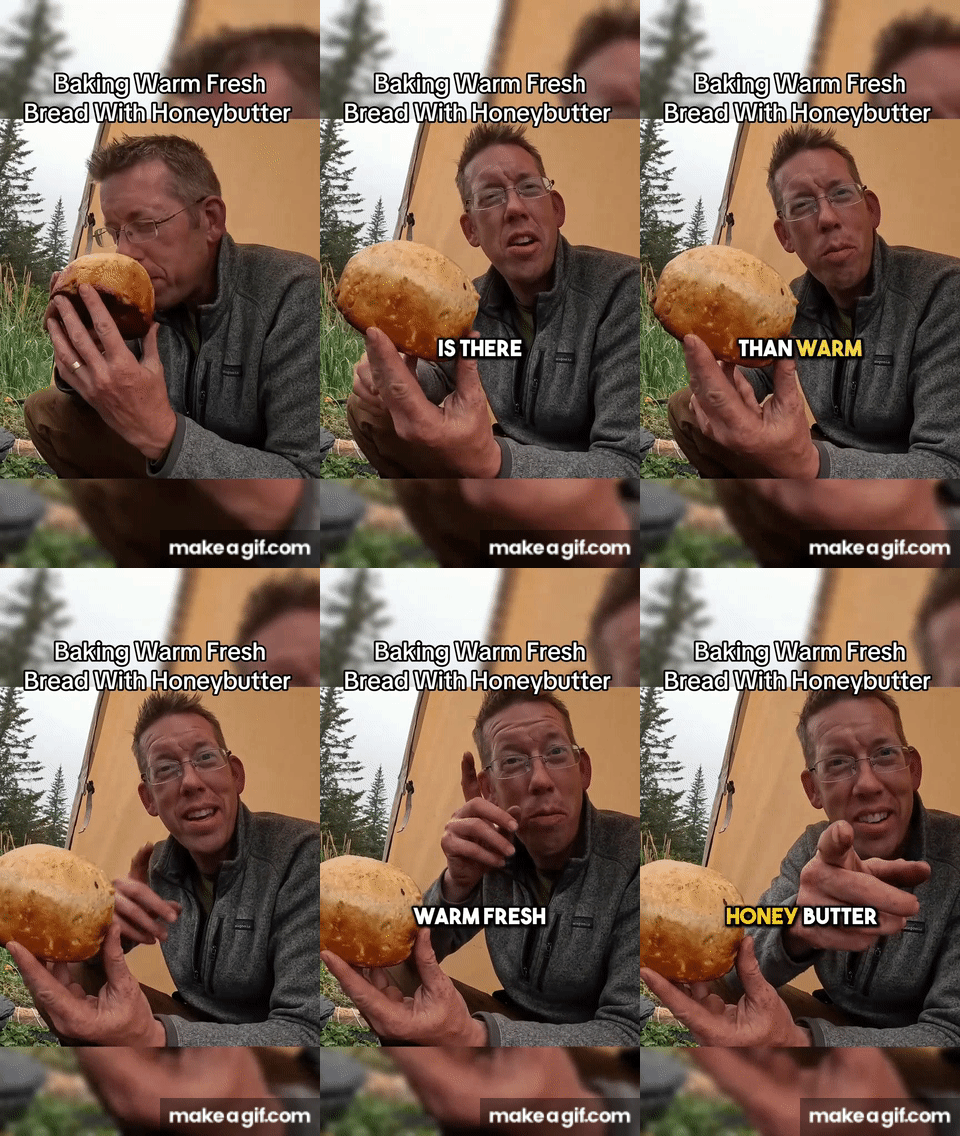
The most critical survival tool
Every week, millions of us sit there, refreshing the page, waiting to watch a guy sleep in the snow. But it’s not just the solo camping that draws us in. It’s the family trips, the love for the world, the sheer normalcy of it all that propelled him to internet stardom. We watch him with his family. We watch him travel and embrace new cultures. We watch him when he messes up, when things don’t go to plan. We watch him experience life.
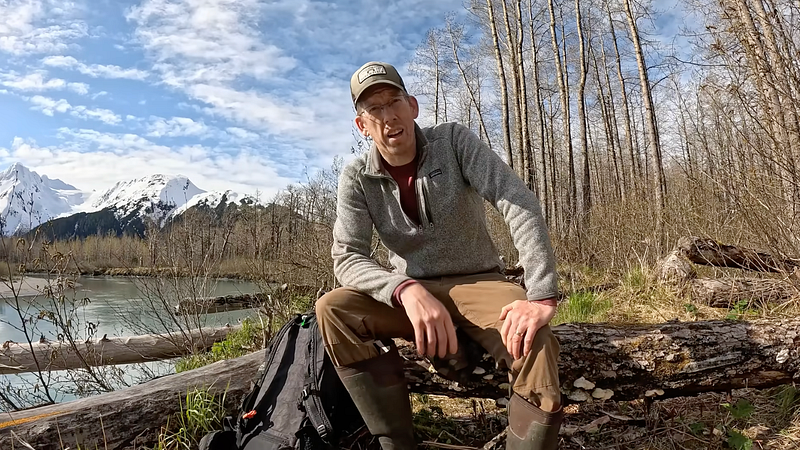
Luke bids farewell
And then one day in May he announced he was stopping YouTube.
He said the fame was too much. It was warping his family’s ability to just be normal. So for the sake of privacy, he walked away. He chose family over fame.
In his farewell video, he signed off with a simple request:
“If you feel my videos have helped you in some way, go out and find someone you can help.”
Luke’s sudden retirement caused such a stir online that it made the front page of Reddit, receiving over 80,000 upvotes, and catapulted the song used in his farewell video — “High and Dry” by Mattias Tell — to the point where the artist created a separate acoustic version just to cater to the influx of interest.
Despite his retirement from YouTube, I find myself returning to his archives again and again, and I’m certain I’m not alone.
While part of the appeal lies in the novelty of outdoor survival — I mean, who willingly camps in the middle of a blizzard? It’s not just about the outdoors, after all there are tons of outdoor YouTubers out there but they just don’t quite land the same way Luke does.
There’s something deeply satisfying about Luke’s videos. The real reason I (and I suspect many others) keep coming back is simply because of his authenticity.
Luke doesn’t rely on wacky gimmicks. He doesn’t push brand deals. No Squarespace or NordVPN ad reads. In a world seemingly incapable of moderation, where we’re always chasing outcomes, where we binge work, then binge escape, then binge stress again, Luke’s content forces you to slow down and watch a guy reconnect with his love for the outdoors, focusing on the journey and not the destination.
Authenticity is one of those words we throw around a lot. But at its core, authenticity isn’t about what you project, but rather it’s about what you protect. It is the state of being connected to your own gut, your own values, without the interference of performance or what anyone else has to say about it.
And I think this is where we get it wrong, and why Luke’s content resonates so deeply with millions of people.
We are additive creatures. When we feel disconnected from ourselves, we think, “I need to go get something to fix this. I need a new hobby. I need high-end camping gear. I need to travel to the perfect location”. We treat the “authentic self” like a destination we can book or a product we can buy.
But watching Luke makes you realize that authenticity is actually a subtractive process. Luke didn’t go out of his way to become a lover of the outdoors. He grew up doing this. He loved the outdoors long before he was a traffic lawyer, and he loved it long enough to leave that career behind to go back to it.
But I also think Luke understood something the rest of us missed. Authenticity has a shelf life if you only focus on selling it. After a while, even something 100% real can become performative. If you do the thing you love for an audience long enough, the motivation shifts. You stop doing it because you love it, and you start doing it because they love it. The “sake of doing it” overtakes the reason you started.
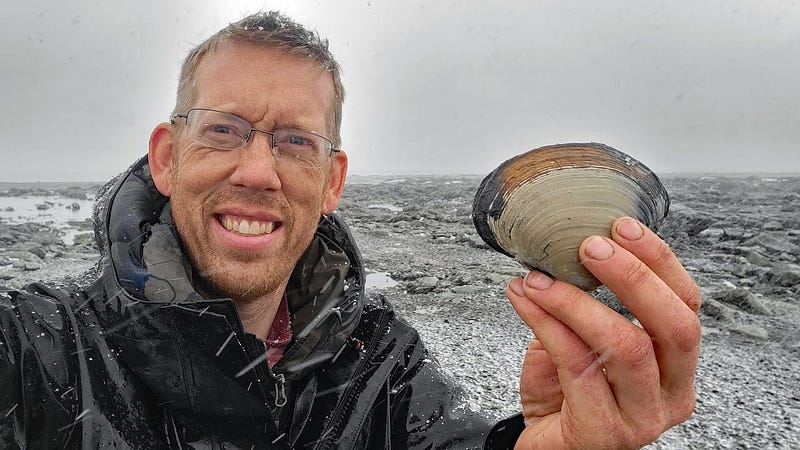
Luke actually talked about this. When asked why he was stepping back, he used this great analogy about clams.
He said making videos is like clam digging. You go out, you have a great time, you catch your limit. But then you have to go home and spend 12 hours cleaning them. Eventually, the thing you loved becomes a burden. As he puts it:
“When is enough, enough? It’s weird. It’s like clam digging, you know… I love going out and clam digging and stuff, and it’s so much fun.
But if you’re not careful, you’ll walk away with like six five-gallon buckets of razor clams and then you look around and go, “What on earth am I going to do with six buckets of razor clams”?
And you spend 12 hours cleaning clams, processing clams, and you eat clam chowder for three years… you have to know when is enough.
You need to know when it’s enough and stop. I limited out on clams, and it was time.”
When we feel lost or worn out, we tend to think we need something new, but Luke reminds us that being true to yourself is a subtractive process. It’s about less not more. And sometimes, the final element you have to subtract is the audience itself.
The irony here is that I think that’s why I’m still watching Luke. His popularity is a reflection of a collective hunger to reconnect with that part of ourselves. When we watch him, we aren’t just watching a guy camping. We are watching a life lived authentically, a man who feels safe enough to just be himself, even if it means leaving us behind. And that is a reminder of what we’re all searching for.